
Article
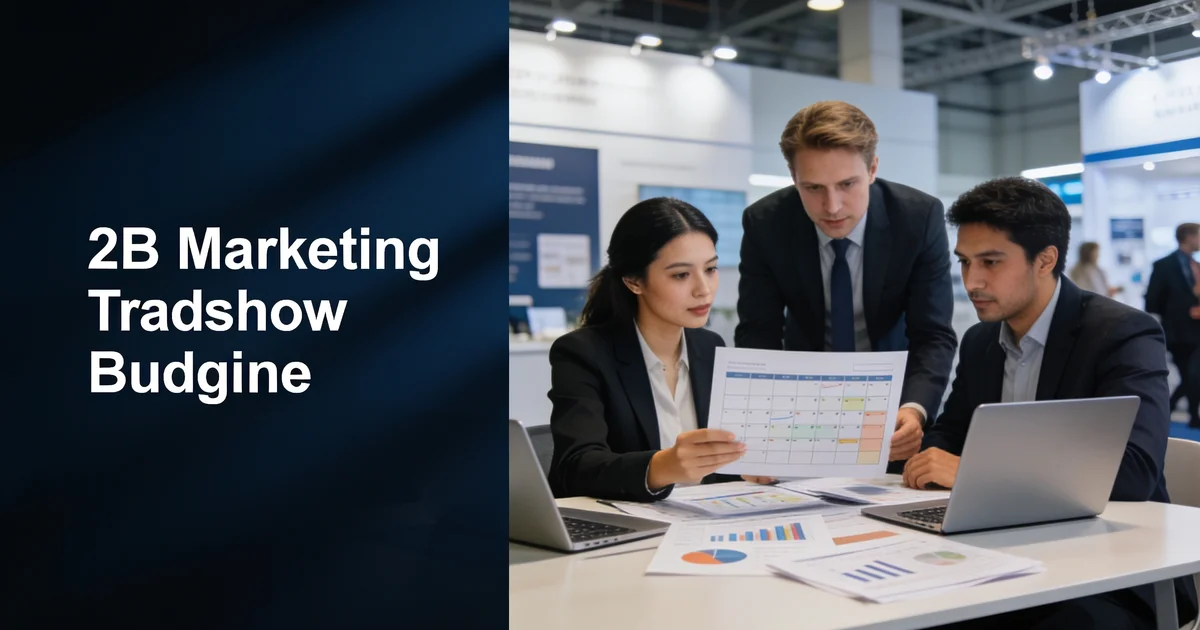
Build a Tier A/B/C expo calendar for your 2026 B2B budget
A practical framework for selecting trade shows that fit your pipeline goals, budget, and regional market priorities in 2026.

Article
Short answer: Choose trade shows by scoring ICP fit, geography, competitive density, and total cost (not booth fee alone), then tier events into A/B/C calendars aligned to measurable pipeline goals for 2026.
Why trade show selection matters in 2026
Booth space, travel, freight, and staff time make trade shows one of the largest line items in B2B marketing. Choosing the wrong event drains budget without pipeline impact; choosing the right ones compounds reach across a year of sales cycles.
Step 1: Define measurable goals
- Qualified meetings booked pre-show
- Lead count by ICP tier (hot / warm / cold)
- Pipeline value influenced within 90 days
Step 2: Score events against ICP fit
Research events on ExhibitionsVoice, compare city and industry hubs, and open organizer profiles for recurring exhibition brands.
Step 3: Build a tiered calendar
Tier A (1–2 shows), Tier B (2–4 regional), Tier C (watch list). CEIR benchmarks put booth space at roughly 25–35% of total show spend (CEIR).
FAQ
How many trade shows should a B2B team exhibit at per year?
Most mid-market teams perform best with one Tier A flagship show plus two to four Tier B regional events.
Editorial standards & corrections
This guide is maintained by the ExhibitionsVoice editorial team. We cross-check dates, venues, and organizer names against official sources before listing events. Spot an error? Use our contact form with the event URL and corrected details — every correction request is read by editorial.
Read more: About ExhibitionsVoice · FAQs · All exhibitor guides
Related articles
Oil and gas trade shows 2026: energy calendar and how to pick
Oil and gas trade shows for 2026 — ADIPEC, WETEX, and offshore energy fairs we score for NOC, IOC, and energy-tech exhibitors.

CPHI India 2026 exhibitor guide: Delhi pharma ingredients floor
CPHI India 2026 exhibitor guide for 23-25 November at IICC Yashobhoomi, New Delhi — API, CDMO, and packaging teams scoring South Asia's ingredients floor.
Fintech trade shows 2026: payments calendar and how to pick
Fintech and payments trade shows for 2026 — Money20/20 USA, Sibos, and how banks and vendors pick Tier A/B/C money-ecosystem floors.
ADIPEC 2026 exhibitor guide: Abu Dhabi energy floor
ADIPEC 2026 exhibitor guide for 2-5 November at ADNEC Centre Abu Dhabi — who should exhibit, hall logistics, and how we score the energy floor.