
Article
Apparel trade shows 2026: fashion wholesale calendar
Apparel and fashion trade shows for 2026 — wholesale markets, sourcing fairs, and how brands and suppliers pick Tier A/B/C calendars.

Article
Short answer: Apparel trade shows in 2026 that matter for B2B exhibitors are wholesale markets and sourcing fairs — not consumer fashion-week runways. We shortlist from tradeshows search for apparel and fashion, verify flagship profiles such as SOURCING at MAGIC Las Vegas and Première Vision New York, and apply our Tier A/B/C framework before booth deposits. We do not publish a dedicated apparel industry hub yet — use directory search and verified event pages instead of invented hub URLs.
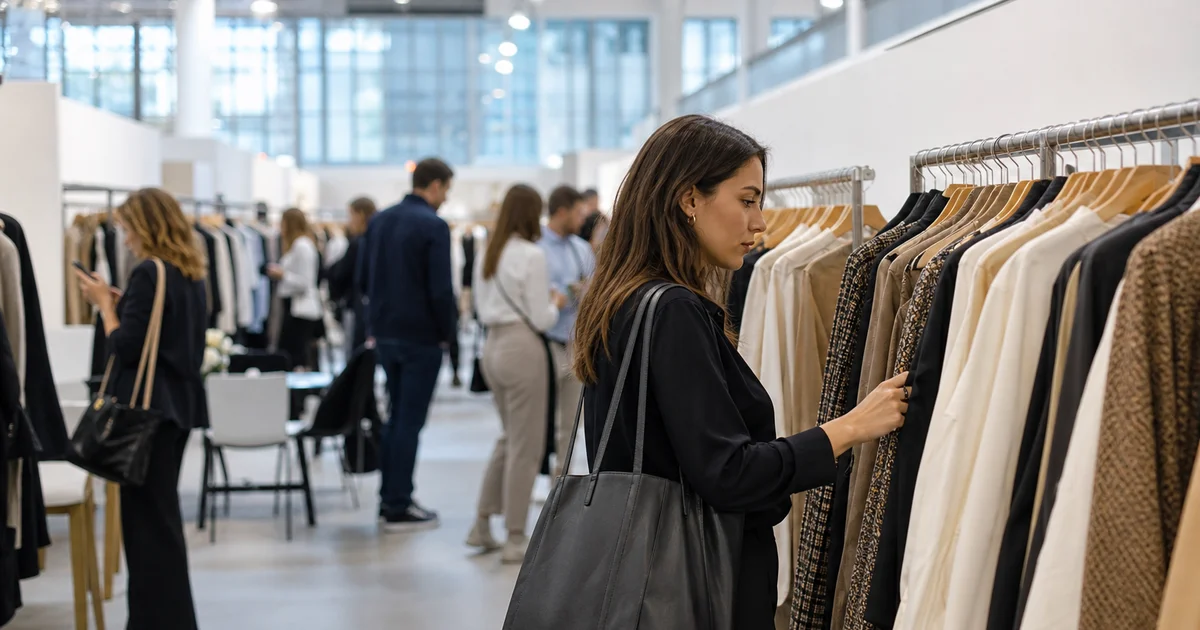
When I audit an apparel exhibitor calendar, the first question is whether the floor is wholesale appointment traffic, open-to-buy retail buyers, or fabric and trim sourcing. A brand selling finished ready-to-wear to specialty retailers has almost nothing in common with a mill showing seasonal fabric books, and neither overlaps with a consumer runway week where press and influencers dominate the aisle. Apparel trade shows compress seasonal buying into a few market weeks, but only if the event format matches how your ICP actually places orders.
Who should use this apparel trade show guide
This guide is for B2B apparel exhibitors — fashion brands and importers selling wholesale, fabric and textile mills, trim and sourcing vendors, and private-label manufacturers chasing retail or brand development meetings. If your buyer is a beauty retailer or spa buyer rather than apparel wholesale, our beauty trade show Las Vegas guide may be the better adjacent read when market weeks overlap in the same city. If you only need a raw list, search apparel or fashion on ExhibitionsVoice. To justify spend to finance, pair this calendar with our ROI scorecard and hidden costs checklist.
We are a directory and editorial publisher — not a show organizer. Dates, showroom locations, and buyer credentials live on each event profile; verify on the official organiser site before shipping sample lines.
Wholesale markets vs fashion week: keep the booth story separate
Consumer fashion week and B2B apparel markets share vocabulary and sometimes cities, but they serve different jobs. Wholesale markets exist so retailers and brand developers can place open-to-buy orders, review lines, and negotiate delivery windows. Fabric and sourcing fairs exist so product developers can lock materials and factories for upcoming seasons. Runway weeks prioritize press, celebrities, and brand storytelling — valuable for awareness, rarely the right floor for a mid-market wholesale booth budget.
When I see teams treat "MAGIC-style" Las Vegas wholesale weeks and New York fabric markets as interchangeable with fashion-week sponsorships, ROI usually collapses. Score the buyer credential list first. If the published attendee mix is retailers and sourcing agents, you are in the right lane for this guide. If it is primarily media and consumers, you are not.
Flagship apparel trade shows to compare
These are the anchors we see teams shortlist when the 2026 plan is wholesale or sourcing. We only link event pages that exist in our directory; for other named markets, use tradeshows search rather than invented slugs:
| Event | Typical buyer mix | Best fit for | Planning note |
|---|---|---|---|
| SOURCING at MAGIC Las Vegas | Brand developers, importers, private-label teams | Factories, trim, packaging, and full-package sourcing conversations | Las Vegas; confirm co-located MAGIC-family wholesale halls on the official site |
| Première Vision New York | Designers, product developers, fabric buyers | Seasonal fabric, leather, and design-direction sourcing | New York; fabric books and sample swatches drive meetings more than finished-goods racks |
| Las Vegas fashion wholesale markets (MAGIC-family style) | Specialty and chain retail buyers, boutique owners | Finished apparel brands selling wholesale lines | Search fashion or apparel for current editions — do not invent year-suffixed event URLs |
| New York / regional wholesale markets (Coterie-style) | Contemporary and boutique retail buyers | Brands with appointment-heavy showroom formats | Formats shift between show-floor and showroom weeks; verify credentials and location before shipping samples |
| International textile & garment expos | Export buyers and regional distributors | Mills and manufacturers expanding beyond North America | Travel-heavy; confirm Incoterms, labeling, and compliance docs for the destination market |
Open each verified event page for venue, dates, and organiser contacts. Browse the full calendar on ExhibitionsVoice trade shows. If a flagship is missing, submit the listing with the official URL for editorial verification.
How we shortlist apparel fairs (Tier A/B/C)
We score every candidate on four factors — the same framework in our B2B show budget selection guide:
- Buyer format fit — Are retail open-to-buy buyers, brand developers, or fabric product developers on the published credential list?
- Sample-line logistics — Finished goods need racks, mirrors, and fitting space; fabric mills need books, lighting, and quiet appointment tables
- Geography — Las Vegas wholesale/sourcing clusters vs New York fabric and contemporary markets vs international textile expos
- All-in cost — Booth or showroom fee is often 25–35% of spend; sample production, freight, and staffing for appointment weeks add up fast
Most apparel brands perform best with one Tier A wholesale or sourcing flagship (for many teams that is a Las Vegas MAGIC-family week or SOURCING at MAGIC) plus one Tier B regional or fabric market such as Première Vision New York when materials conversations drive the pipeline. Tier C shows validate a new line or geography before you scale showroom size.
Brands vs fabric suppliers: do not share one fascia story
Apparel calendars stack unlike buyers in the same metro week. A contemporary brand chasing boutique open-to-buy does not need the same booth narrative as a mill selling stretch knits to product developers. We see holding companies force both stories onto one backdrop and lose qualification depth with buyers who wanted a single seasonal story.
If you sell both finished goods and materials, split market weeks or split spaces. Retail buyers rarely absorb a factory tour pitch in a six-minute aisle stop, and fabric buyers will not wait while you pull ready-to-wear looks for someone else. Before committing, compare the table above and confirm sector tags on each profile via apparel search.
Track wholesale appointments booked and orders written within 90 days as your primary ROI signal — badge scans alone will not satisfy finance. Use our ROI measurement guide to set the scorecard before you sign.
Regional clusters we see in directory search
Because we do not yet publish an apparel industry hub, filter by city and keyword in the directory:
- Las Vegas — SOURCING at MAGIC and MAGIC-family wholesale ecosystems; read our 2026 Las Vegas calendar and Las Vegas hub for venue logistics. Adjacent lifestyle floors (including beauty) sometimes share travel weeks — see our beauty Las Vegas guide only if your ICP actually overlaps
- New York — Première Vision New York and contemporary wholesale/showroom weeks; fabric books and appointment density matter more than island spectacle
- International textile hubs — garment and fabric expos for exporters; search fashion or apparel in the directory and filter by country
When dates show as TBC, verify on the official event site linked from each profile before booking sample production and air freight.
Exhibitor playbook: samples, appointments, and follow-up
- 90 days out: Confirm buyer credentials, showroom vs booth format, and sample-line shipping rules; align the fascia to one job (wholesale sell-in or fabric sourcing — not both)
- 60 days out: Book target-account appointments; finalize lookbooks, line sheets, and compliance/label packets
- 30 days out: Train staff on qualification — retail tier, open-to-buy window, and current vendor relationship in under two minutes
- During: Log order notes and fabric holds same day; route hot wholesale conversations to sales within 48 hours
- After: Tiered follow-up with line sheets and delivery calendars — model hidden line items first with our hidden costs guide
Sample theft and fitting-room congestion are real operational risks on wholesale floors. Budget staff for inventory control — missing samples delay reorder conversations after the show.
2026 themes exhibitors should expect on the floor
- Nearshoring and dual-sourcing — brand developers asking for capacity outside a single country of origin
- Traceability and preferred materials — recycled, organic, and certified fibers with documentation ready at the table
- Speed-to-shelf calendars — retailers compressing buy windows; appointment density beats brochure drops
- Private label and full-package offers — sourcing floors favoring vendors who can quote MOQ, lead time, and compliance together
- Digital line review hybrids — 3D samples and shared lookbooks alongside physical racks
Retail and product-development buyers attend to lock seasons — not to collect tote bags. Pre-book target accounts where attendee programmes allow.
How apparel compares to adjacent calendars
Apparel wholesale is not the only vertical where metro weeks overlap. Las Vegas hospitality and beauty floors sometimes share travel calendars with fashion markets — keep booth scripts sector-specific. Do not reuse a wholesale apparel pitch on a beauty or hotel buyer floor, and do not invent an apparel industry hub URL; use fashion search until a dedicated hub is published.
FAQ
What are the biggest apparel trade shows in 2026?
Las Vegas MAGIC-family wholesale and sourcing weeks (including SOURCING at MAGIC) and New York fabric markets such as Première Vision New York dominate B2B head terms. The right show depends on whether you sell finished goods or materials — compare listings via apparel and fashion search.
What is the difference between fashion wholesale markets and consumer fashion week?
Wholesale markets exist for retail open-to-buy and brand development appointments. Fashion week prioritizes press and brand storytelling. For exhibitor ROI, score credentialed buyers first — this guide covers the wholesale and sourcing lane.
Should apparel brands and fabric suppliers exhibit at the same show?
Rarely with the same booth story. Brands chase retail open-to-buy; mills chase product developers. Split spaces or market weeks when both motions matter in the same fiscal year.
How much does it cost to exhibit at an apparel trade show?
Booth or showroom fees are typically 25–35% of all-in spend. Sample production, freight, and appointment staffing push mid-size apparel programs higher — model hidden line items with our hidden costs guide before signing.
How do I find apparel or fashion trade shows near me in 2026?
Search apparel or fashion on ExhibitionsVoice and filter by city. Use the Las Vegas hub when travel is fixed to that market week.
Does ExhibitionsVoice organize apparel trade shows?
No — we are a B2B directory and editorial publisher. Organizers list events with us; exhibitors browse calendars and open official registration links from each event profile. We do not currently publish a dedicated apparel industry hub.
Editorial standards & corrections
This guide is maintained by the ExhibitionsVoice editorial team. We cross-check dates, venues, and organizer names against official sources before listing events. Spot an error? Use our contact form with the event URL and corrected details — every correction request is read by editorial.
Read more: About ExhibitionsVoice · FAQs · All exhibitor guides
Related articles

Oil and gas trade shows 2026: energy calendar and how to pick
Oil and gas trade shows for 2026 — ADIPEC, WETEX, and offshore energy fairs we score for NOC, IOC, and energy-tech exhibitors.

CPHI India 2026 exhibitor guide: Delhi pharma ingredients floor
CPHI India 2026 exhibitor guide for 23-25 November at IICC Yashobhoomi, New Delhi — API, CDMO, and packaging teams scoring South Asia's ingredients floor.
Fintech trade shows 2026: payments calendar and how to pick
Fintech and payments trade shows for 2026 — Money20/20 USA, Sibos, and how banks and vendors pick Tier A/B/C money-ecosystem floors.
ADIPEC 2026 exhibitor guide: Abu Dhabi energy floor
ADIPEC 2026 exhibitor guide for 2-5 November at ADNEC Centre Abu Dhabi — who should exhibit, hall logistics, and how we score the energy floor.