
Article
Trade show booth shipping crates and freight logistics (2026 checklist)
Shipping crates, drayage, material handling, and inbound/outbound freight — the logistics line items exhibitors forget until the show manual arrives.

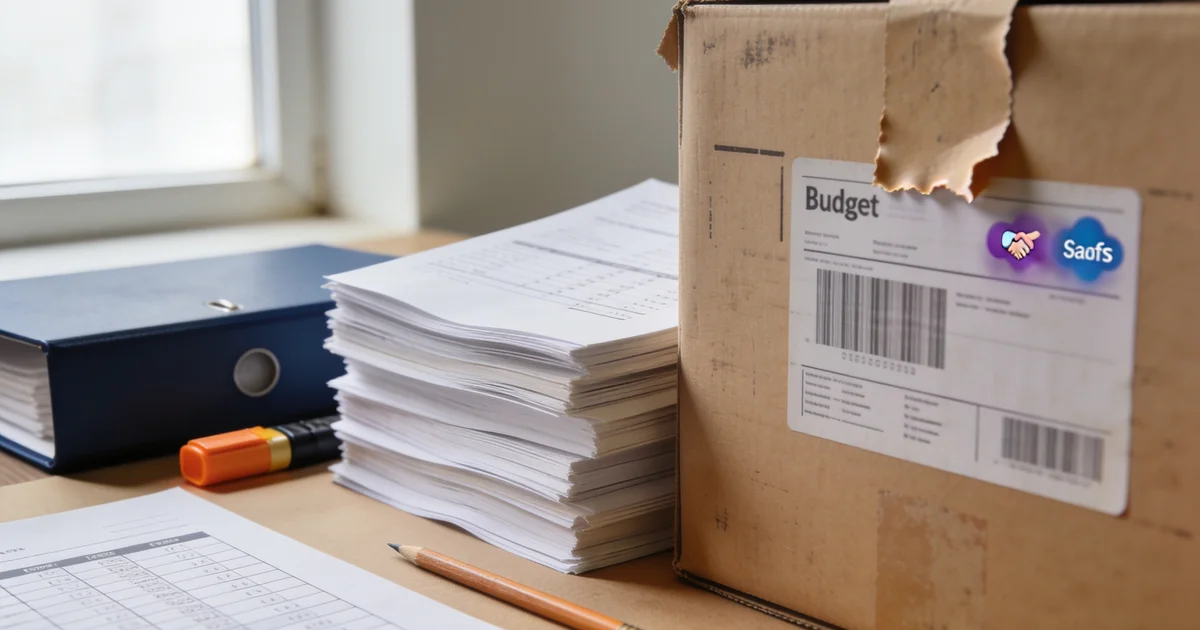
Article
Short answer: Trade show booth shipping crates should be stackable, labelled with show name and booth number on all sides, and weighed after full pack-out. Budget drayage separately — official contractors bill weight minimums that often exceed actual crate weight. Ship to the advance warehouse window when the show manual allows it.
I learned the hard way on an early McCormick Place build that a "small" crate can trigger a four-figure drayage minimum because the official contractor bills by weight tier, not carrier invoice. Since then I treat crate spec and freight timing as part of the budget conversation — not a warehouse afterthought. This 2026 checklist covers crate standards, advance warehouse vs direct-to-booth paths, and the line items finance never sees until the show manual arrives.
Trade show shipping crate specifications
- Construction — plywood or road-case walls rated for forklift handling; avoid flimsy cardboard for primary structure.
- Base — skids or casters removed before dock delivery unless venue permits rolling load-in.
- Dimensions — design for 48×40 inch pallet compatibility where possible; measure after pack-out.
- Labels — show name, booth number, hall, exhibitor company, city/state, arrow-up, contact phone on all sides.
- Weight documentation — actual weight on bill of lading; disputes get expensive on the floor.
- Insurance — carrier liability caps often sit below booth asset value; add exhibition transit coverage for AV and custom graphics.
Inbound freight checklist (90 → 7 days before move-in)
| When | Action |
|---|---|
| 90 days out | Read show manual material-handling section; note advance warehouse open/close dates |
| 60 days out | Book freight lane (parcel, LTL, or international); confirm crate count and weights |
| 45 days out | Ship to advance warehouse if window is open — avoids move-in congestion |
| 21 days out | Verify labels match booth assignment; update if show organiser renumbered halls |
| 7 days out | Confirm appointment slot for direct-to-booth if using that path |
| Move-in day | Bring copy of BOL and booth confirmation; photos of crate condition on delivery |
Advance warehouse vs direct-to-booth
Advance warehouse delivers to the official contractor's off-site facility during a defined window — often 30–45 days before move-in. Handling spreads across lower-traffic days and can reduce rush premiums. I use this path for heavy modular walls and anything that needs QC before the hall opens.
Direct-to-booth ships to the venue loading dock during move-in hours. It works for last-mile replenishment and small AV crates, but congestion, appointment misses, and overtime stack fast on the day before doors open.
Drayage and material handling: what I put in the budget model
- Weight-based rates with minimum charges per shipment
- Separate fees for empty-container return or disposal
- Special handling for oversized or rigging-heavy crates
- Relabel fees when booth numbers change or labels fall off
- Storage after the free window if outbound freight misses the closing date
Freight and handling commonly run 10–20% of all-in show spend for domestic exhibitors — higher for international lanes. I map these lines alongside booth rent using our hidden costs guide and Tier A/B/C budget framework.
Outbound and return freight
Strike night is not the time to discover nobody booked outbound pickup. I confirm return BOL, empty-crate collection, and storage deadlines in the same spreadsheet as inbound — especially for multi-show tours through Las Vegas, Chicago, and London in one quarter.
Wood crates vs reusable road cases
Road cases win when you run the same booth across multiple domestic shows — foam interiors protect AV, and stackable cases reduce piece-count surprises on drayage invoices.
One-way wood crates can be cheaper for single international moves but plan disposal or return freight; some venues charge disposal by weight.
City-specific logistics reminders
- Las Vegas (LVCC) — union labor and tight dock windows; advance warehouse strongly preferred for heavy builds.
- Chicago (McCormick Place) — large dock matrix; label hall and booth clearly or crates sit in limbo.
- London (ExCeL) — advance vs direct rules vary by show; DLR traffic affects your team's move-in arrival, not the crate.
Browse upcoming fairs on ExhibitionsVoice and pull the official manual from each organiser site before crating.
FAQ
How many crates should I budget for a 10×10 booth?
Most teams ship two stackable road cases or one skidded crate for walls, counter, and graphics — weigh after pack-out, not estimate.
Can I ship FedEx to the show floor?
Small parcels sometimes go to show management offices, but booth materials should follow the official material-handling path or you pay double handling.
What happens if my crate misses the advance warehouse cutoff?
Expect direct-to-booth rush fees, possible detention, and harder appointment slots during congested move-in days.
Advance warehouse vs direct-to-booth shipping
Advance warehouse delivery hits the official contractor's off-site facility during a defined window — often 30–45 days before move-in. It spreads handling across lower-traffic days and can reduce rush premiums. Direct-to-booth ships to the venue loading dock during move-in hours; convenient for last-minute items but exposed to congestion surcharges and strict appointment slots.
I map both paths on a single timeline with the show manual's material-handling section — missing the advance cutoff is one of the fastest ways to blow a freight budget.
Drayage and material handling: what the invoice actually measures
Drayage is not parcel shipping. The official contractor bills by weight, piece count, and minimum charges per shipment, with separate rates for empty-container return. A 200 lb crate can trigger a 400 lb minimum. Stackable, labelled crates with show name and booth number on all sides reduce re-weigh disputes on the floor.
Pair line-item estimates with our hidden costs guide — freight and handling commonly run 10–20% of all-in show spend for domestic exhibitors and higher for international lanes.
Common exhibitor questions
What size trade show shipping crate do I need for a 10×10 booth?
Many teams use two stackable 48×40 inch road cases or one 72-inch skidded crate for walls, counters, and graphics. Weigh and measure after a full pack-out — quotes and drayage minimums use actual weight.
Should I use wood crates or reusable road cases?
Road cases win for repeated domestic circuits. One-way wood crates can be cheaper for single international moves but plan disposal or return freight.
How early should I ship to an advance warehouse?
Target the opening week of the advance window in the show manual — not the last day. Early delivery avoids detention and rush relabel fees.
Does insurance cover booth freight damage?
Carrier liability is often capped well below booth value. I add exhibition transit coverage for high-value AV and custom graphics on international lanes.
What labels must go on every shipping crate?
Show name, booth number, hall, exhibitor company, city and state, arrow-up orientation, and contact phone. Missing labels delay fork-lift routing and trigger relabel charges.
Editorial standards & corrections
This guide is maintained by the ExhibitionsVoice editorial team. We cross-check dates, venues, and organizer names against official sources before listing events. Spot an error? Use our contact form with the event URL and corrected details — every correction request is read by editorial.
Read more: About ExhibitionsVoice · FAQs · All exhibitor guides
Related articles
Oil and gas trade shows 2026: energy calendar and how to pick
Oil and gas trade shows for 2026 — ADIPEC, WETEX, and offshore energy fairs we score for NOC, IOC, and energy-tech exhibitors.

CPHI India 2026 exhibitor guide: Delhi pharma ingredients floor
CPHI India 2026 exhibitor guide for 23-25 November at IICC Yashobhoomi, New Delhi — API, CDMO, and packaging teams scoring South Asia's ingredients floor.

Fintech trade shows 2026: payments calendar and how to pick
Fintech and payments trade shows for 2026 — Money20/20 USA, Sibos, and how banks and vendors pick Tier A/B/C money-ecosystem floors.

ADIPEC 2026 exhibitor guide: Abu Dhabi energy floor
ADIPEC 2026 exhibitor guide for 2-5 November at ADNEC Centre Abu Dhabi — who should exhibit, hall logistics, and how we score the energy floor.